LeleLab is developing Japanese layout keycaps | Survey now open

  • Copied the URL !
Column
About This Article
This column includes the author’s analysis and perspective on keyboard products, market developments, and related topics. While every effort is made to verify factual information, the analysis and evaluation reflect the author’s point of view. It should be read as opinion-based editorial content rather than a product review or news report.

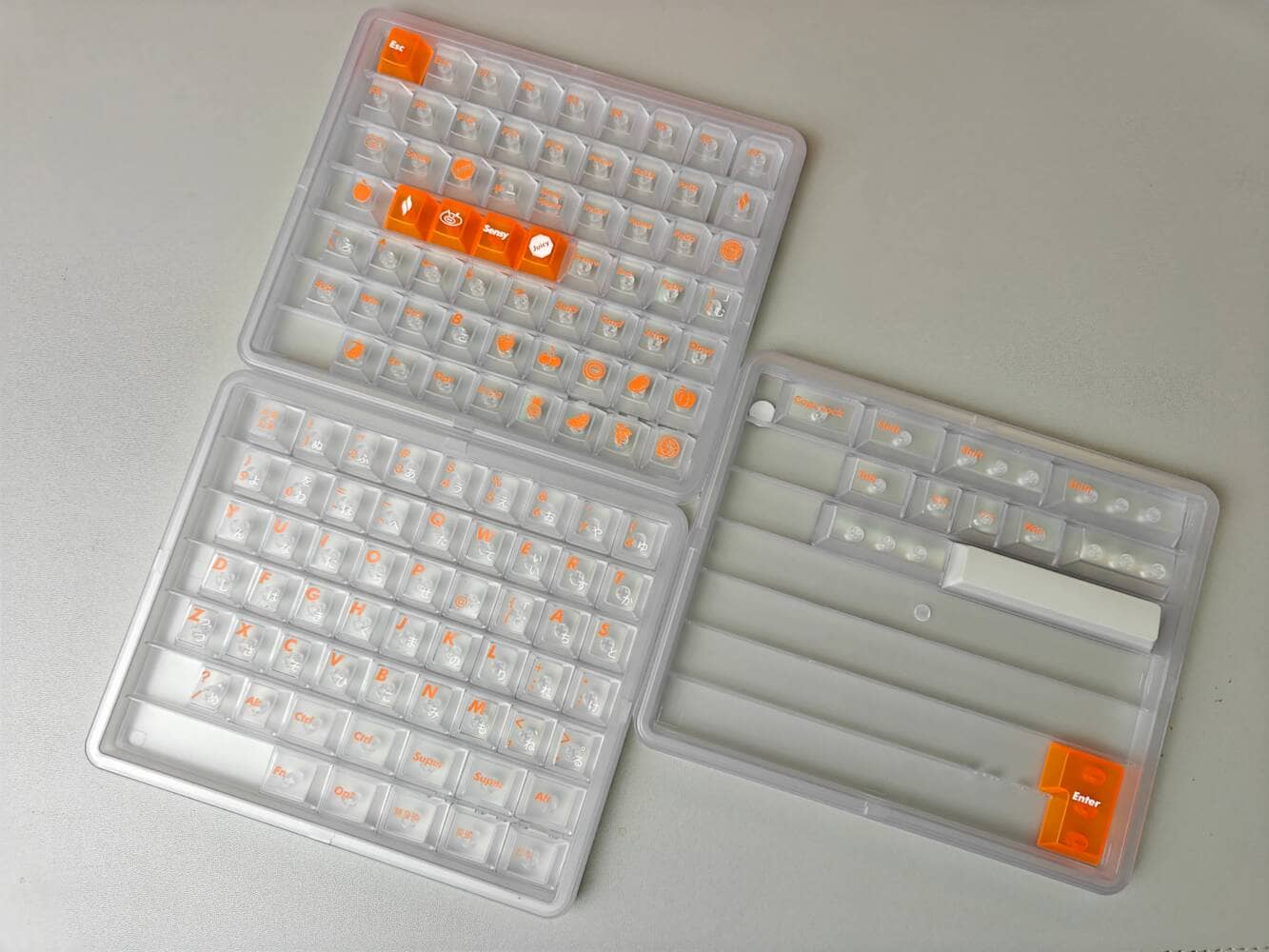
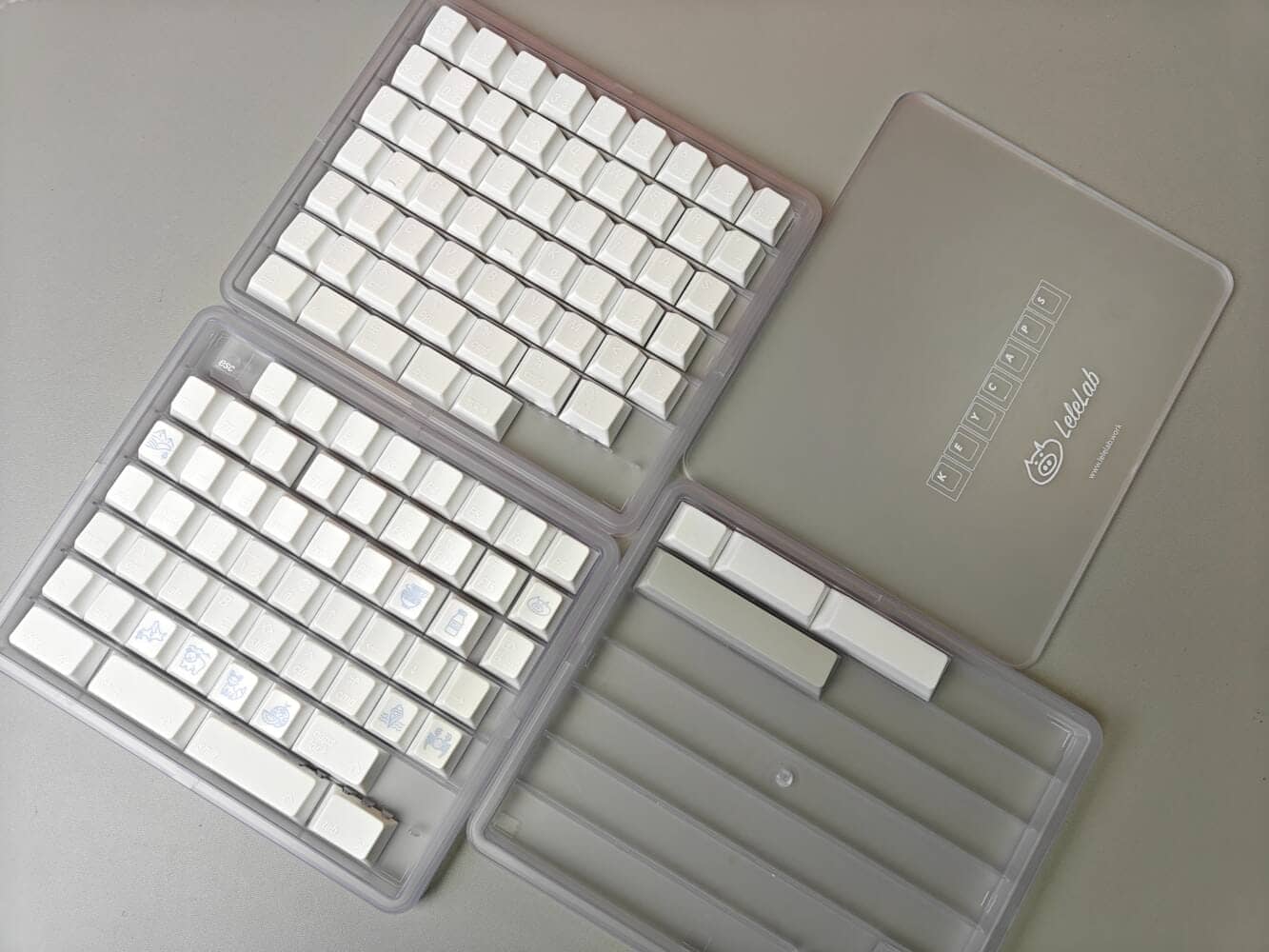
On March 31, 2026, LeleLab announced on its official X account that it is developing Japanese layout keycaps.

Let’s take a look at the photos from the post.
HEu tibsAAejdl
It’s probably the Hokkaido keycaps, but it’s hard to tell because it’s white legends on a white base.
HEu 9aub0AAEwqz
Supsup SuperX White Keycaps Set. You can see kana sublegends in white at the bottom-right of the keytops. The sublegend on “2” is also “”.
HEu 8SHaAAAWOKB
LeleLab X Sensy SupSup Juicy Keycap Set. This one also shows printing unique to Japanese layouts.

Greenkeys wasn’t able to cover the booth, but it looks like they displayed the Japanese layout keycap samples shown in the photo on the day of Keyket.

They’re also running a survey about Japanese layout keycaps, and you can respond via the link below.

Japanese Layout Survey | LeleLab

unnamed
Quoted from the form above

One reason they’re running a survey like this is the printing situation unique to Japanese layouts.

Globally, the ANSI layout is the standard, and Japan is the only country in the world that uses Japanese layouts.

It can be counted as one of the local layouts like ISO-FR or ISO-DE, but looking at Japan alone, we believe the keycap-swapping culture itself hasn’t really taken root, and there also aren’t that many keyboards on the market that let you swap keycaps.

In addition, modern Japanese typing is mainly done via romaji input: you type Japanese readings using the Latin alphabet, then use an IME to convert them into kanji and so on. This whole typing workflow is a unique style that doesn’t exist in English-speaking regions.

As a result, we’ve learned through our past communication with overseas keycap brands and designers that even understanding what IME on/off (half-width/full-width) means can be difficult.

We’ll be keeping an eye on LeleLab’s new moves.

At GreenEchoes Studio, which runs Greenkeys, we’re also working on a private, voluntary initiative called the “Japan Layout Alliance (JLA)” as part of organizing information on Japanese-layout keyboard compatibility.

  • First published: April 6, 2026
  • Last updated: April 6, 2026
  • Research method: Official social media posts
  • References / Sources: https://x.com/lelelab_sh/status/2038933311305986220
  • Conflicts of Interest: Product Offering: None Monetization Link in this paper: None
Greenkeysの記事をGoogleで見つけやすく Find Greenkeys More Easily on Google

Google検索の「優先ソース」にGreenkeysを追加します

Add Greenkeys as a Preferred Source on Google

ブランド/企業のご担当者様へ:
製品設計やリリース前のフィードバックに関するご相談は
こちらからお進みいただけます。

For Brands and Manufacturers:
For product design consultation and pre-release feedback,
please contact GreenEchoes Studio.

Share me!
  • Copied the URL !

Avatar of 河村 亮介 Ryosuke Kawamura Greenkeys chief editor

Ryosuke Kawamura is the Editor-in-Chief of Greenkeys and the founder of GreenEchoes Studio.

He covers mechanical keyboards, custom keyboards, and input devices through reviews, interviews, hands-on testing, photography, and editorial work. He has reviewed more than 100 products and regularly reports on JIS-layout compatibility and trends in the Japanese keyboard market.

He also founded the Japan Layout Alliance (JLA), an industry collaboration initiative aimed at improving compatibility for Japanese-layout keyboards.

Greenkeys values editorial independence and transparency. Product samples, advertising relationships, and affiliate links are disclosed within each article.

Table of Contents