Japanese-Inspired Design Is Not the Same as Designing for the Japanese Market
Copied the URL !
This article does not represent the opinion of the Japanese market as a whole. It summarizes one perspective Ryosuke Kawamura, the operator of Greenkeys, has developed through interactions with international keyboard brands and observations of reactions from Japanese users. This content is primarily created to help those from an international context understand the preferences of the Japanese keyboard market.
Japan is often seen as a hub for “Japanese culture,” including anime, games, manga, and traditional culture.
I feel this is especially true in the way international keyboard and keycap brands often feature these elements.
There are many products that incorporate essences such as cherry blossoms, Mount Fuji, samurai, ninjas, geishas, Tokyo cityscapes, anime, and retro games.
Additionally, elements like Hiragana, Katakana, and Kanji seem to look “cool” from an international perspective.
These designs can appear attractive to international users as a “Japanese aesthetic.”
Certainly, when considering that “Japan” from an international context is often imagined through easily recognizable symbols—much like how Japanese people associate foreign countries with specific landmarks or cultures—it’s not surprising to see many products using motifs like Kaminarimon or geishas.
However, I don’t believe those designs are necessarily preferred in the Japanese market as they are.
In my view, designs based on Japanese cultural motifs and designs that Japanese users actually want to use in their daily lives are not always the same.
In this article, let’s break down the difference between “Japanese-inspired” and “designed for the Japanese market” that international keyboard brands should know when planning products for Japan.
The Outside View of Japan Is Different from the Japanese User’s View
“Japaneseness” as seen from abroad is significantly different from what Japanese people feel.
It is merely a “representative Japan” from an outside perspective, and it doesn’t mean Japanese people will prefer it for daily use.
This isn’t limited to keyboards and keycaps, but this gap becomes particularly visible in the keycap market, where design is highly emphasized.
Abroad, “Japaneseness” Becomes an Icon
For international users, elements like Hiragana, Katakana, Kanji, cherry blossoms, Mount Fuji, samurai, ninjas, geishas, and Tokyo are clear icons of Japan.
Therefore, it’s natural for international brands to incorporate these motifs when thinking of a “Japanese-style design.”
In fact, in the international keycap market, there is a trend where Japanese sub-legends are preferred, and many products feature motifs like cherry blossoms, Tokyo, anime, and games.
These have become established as a design genre in the global market.
Japanese culture has a strong brand identity abroad, and “Japanese-inspired design” can be a very attractive theme.
A Design That Looks Japanese Does Not Always Feel Natural to Japanese Users
On the other hand, it’s important to understand that for users in Japan, these motifs represent an “external view of Japan” and aren’t things they are consciously aware of in their daily lives.
For example, Hiragana and Katakana are everyday characters for Japanese people.
While they might look attractive as graphics to international users, for Japanese people, they are just characters they see all the time, and that alone doesn’t necessarily create special value.
In other words, the feeling is: “It’s so ordinary that it’s strange to even highlight it.”
Furthermore, motifs like Mount Fuji, samurai, ninjas, and geishas are strictly “Japan from an international perspective.” To Japanese people, these are simply recognized as “the specific famous Japanese things that foreigners happen to like.”
In short, they aren’t special; they are just one of many things that exist alongside everything else.
Of course, there’s nothing wrong with designs using these elements.
However, if you consider them “for the Japanese market” as they are, there’s a chance they will miss the mark with Japanese users’ sensibilities.
“Japanese-inspired” and “Designed for the Japanese Market” Are Not the Same
The key point here is that “Japanese-inspired design” and “designed for the Japanese market” are two different things.
Designs inspired by Japanese culture are themes that work well in the global market.
However, designing for the Japanese market requires a different perspective.
Japanese Cultural Motifs Work Well for a Global Audience
Elements like cherry blossoms, samurai, ninjas, Mount Fuji, Tokyo, anime, games, and Japanese legends can be highly attractive to international users.
This is because Japanese culture is perceived abroad as “cool,” “cute,” or “unique.”
In this sense, keycaps and keyboards themed around Japanese culture work perfectly well as global products.
In fact, they can have strong appeal for international users who love Japanese culture.
What the Japanese Market Needs Is Localization of the User Experience
To be sure, for hardcore fans of specific anime, manga, or games, keyboards and keycaps featuring those motifs will resonate strongly.
In Japan, many people may still feel hesitant about bringing highly personal hobbies, such as anime or game-themed items, into a workplace or business desk setup.
Because of this, a design that strongly appeals to dedicated fans is not always the same as a design that feels easy to use in everyday work or desk environments.
Taking these unique Japanese circumstances into account, I believe that what products for the Japanese market need is not the cultural motifs themselves, but localization that matches Japanese tastes and preferences.
Most likely, what Japanese users are looking for is something that blends naturally into their daily desk setup, feels comfortable to use, and is stylish.
Kawamura
While it is difficult to generalize, my recent impression is that many Japanese users are drawn to designs in the “Less, but better” context: minimal, functional, and aesthetically refined. This is close to a Dieter Rams-like design philosophy, and it also overlaps with the kind of design language often associated with Apple products.
In short, for product planning aimed at the Japanese market, “whether it looks Japanese” seems less important than “whether Japanese users can use it naturally.”
Cases Where Japanese Cultural Motifs Are Effective
So far, I’ve stated that Japanese-style design and design for the Japanese market are different.
However, Japanese cultural motifs themselves are not bad.
Elements like cherry blossoms, traditional patterns, Tokyo, anime, games, samurai, and ninjas hold strong appeal in the global market.
They are perfectly viable themes for products aimed at international users who find a sense of “fashion” in Japanese culture.
Furthermore, what I’m saying here isn’t a rejection of designs themed around Japanese culture.
On the contrary, if the context and interpretation are handled carefully, keycaps themed around Japanese culture can be extremely attractive.
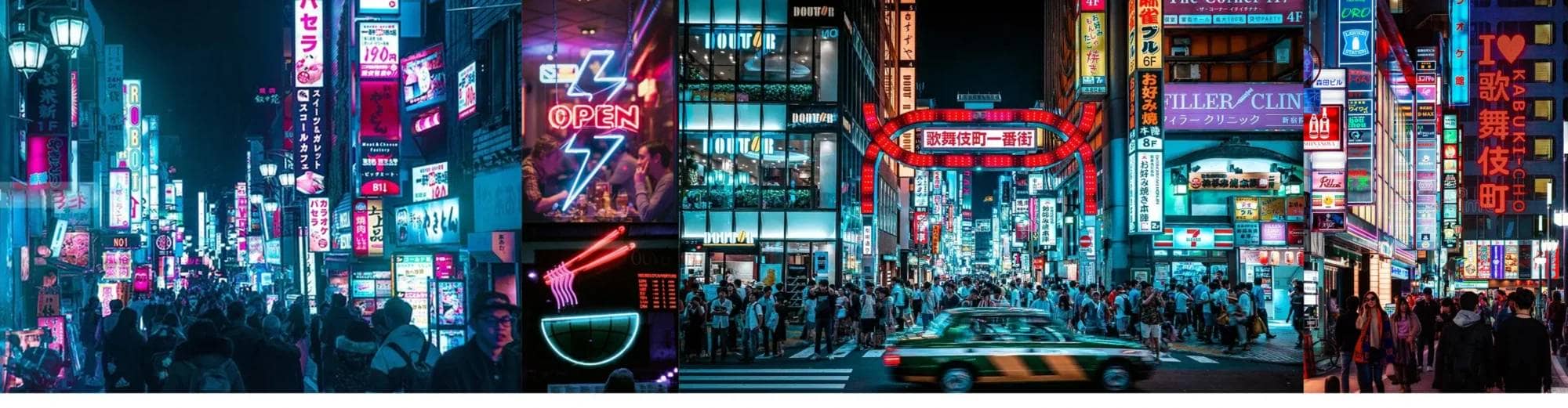
One example I personally found to have an excellent interpretation is “PBTfans KABUKI・CHO R2” sold by KBDfans.
I personally find this keycap theme excellent because it takes the glittering neon atmosphere of Kabukicho, Tokyo’s entertainment district, and elevates it into a keycap design.
In other words, using Japanese cultural motifs isn’t the problem; it’s just a bit of a stretch to assume that doing so automatically makes it “for the Japanese market.”
Products themed around Japanese culture and products designed for Japanese users are not the same.
The former is a “Japan-inspired product” for the global market, while the latter is a more practical localized product designed to fit the usage and sensibilities of the Japanese market.
Distinguishing between these two is crucial for international brands considering entering the Japanese market.
A Message to International Brands
Japanese users don’t necessarily seek out “Japan as seen from the outside.”
They prioritize whether it blends naturally into their desk space at home.
Therefore, in product planning for the Japanese market, “whether Japanese users can use it naturally” is more important than “whether it looks Japanese.”
This applies to both keycaps and the keyboard itself.
summary
From an international perspective, elements like Japanese characters, cherry blossoms, samurai, ninjas, Mount Fuji, Tokyo, anime, and games function as clear markers of “Japaneseness.”
I fully understand that “Japanese-inspired” keyboards and keycaps incorporating these elements can be attractive themes in the global market.
However, that doesn’t necessarily mean they are products for the Japanese market.
At the very least, being “Japanese-inspired” products are not automatically a good fit for the Japanese market.
Using Japanese culture as a motif is by no means a bad thing.
I believe the first step for international brands considering the Japanese market is to realize that “Japanese-inspired” products won’t necessarily be accepted there.
GreenEchoes Studio, led by Ryosuke Kawamura, the operator of Greenkeys, provides consultation for international keyboard brands on product positioning, layout support, and keycap kit configuration for the Japanese market.
This article is not a sales document, but a column summarizing Greenkeys’ view of the market.
Brands interested in product planning or localization for the Japanese market should check the GreenEchoes Studio consultation page as needed.
Greenkeys operates solely on performance-based advertising and does not use Google ads because they reduce usability. Please support us through Buy Me a Coffee if you enjoyed reading the article so that we can continue to operate the media.




 Japanese-Inspired Design Is Not the Same as Designing for the Japanese MarketThis article does not represent the opinion of the Japanese market as a whole...Keycaps
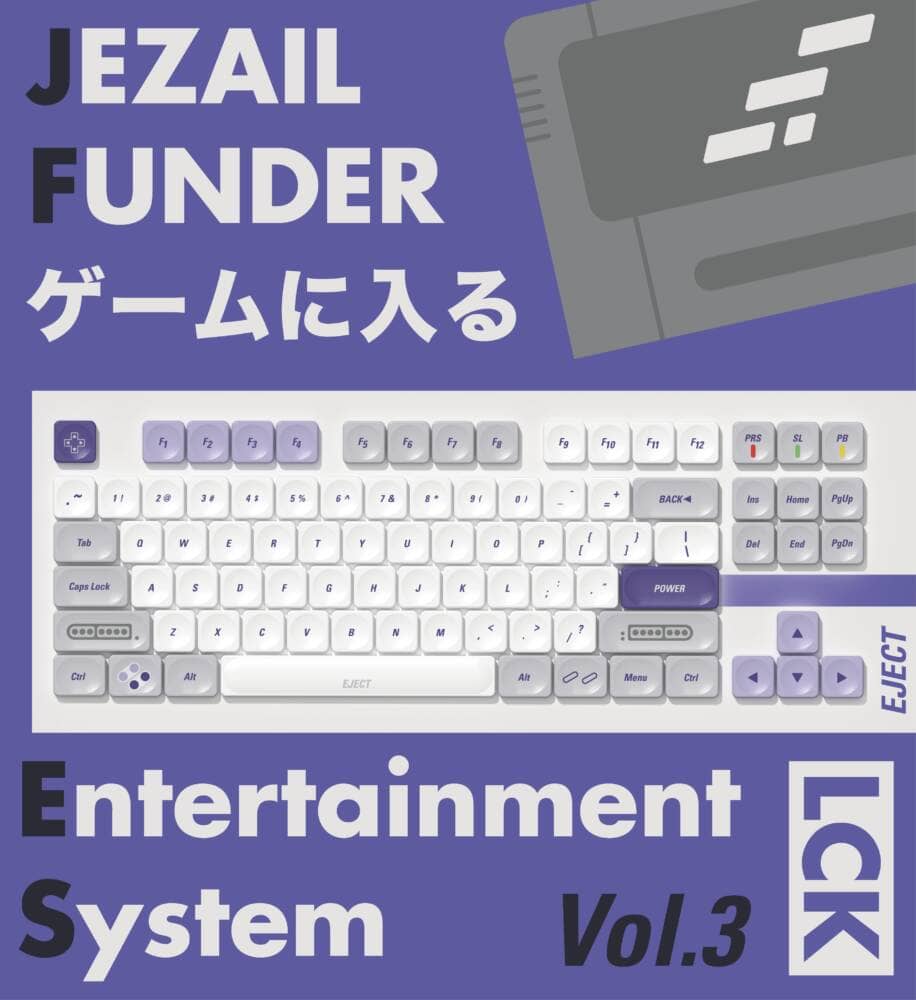
 Jezail Funder unveils new keycap design concept featuring a color scheme reminiscent of Western retro gaming consolesThis design is a keycap concept released by Jezail Funder Japan and does not ...
 Atelier Magnus shows off Slate Zero in Japan, shares a post from ShinjukuOn May 3, 2026, Atelier Magnus posted on its official X account showing its k...Keyboard


 Kawamura