
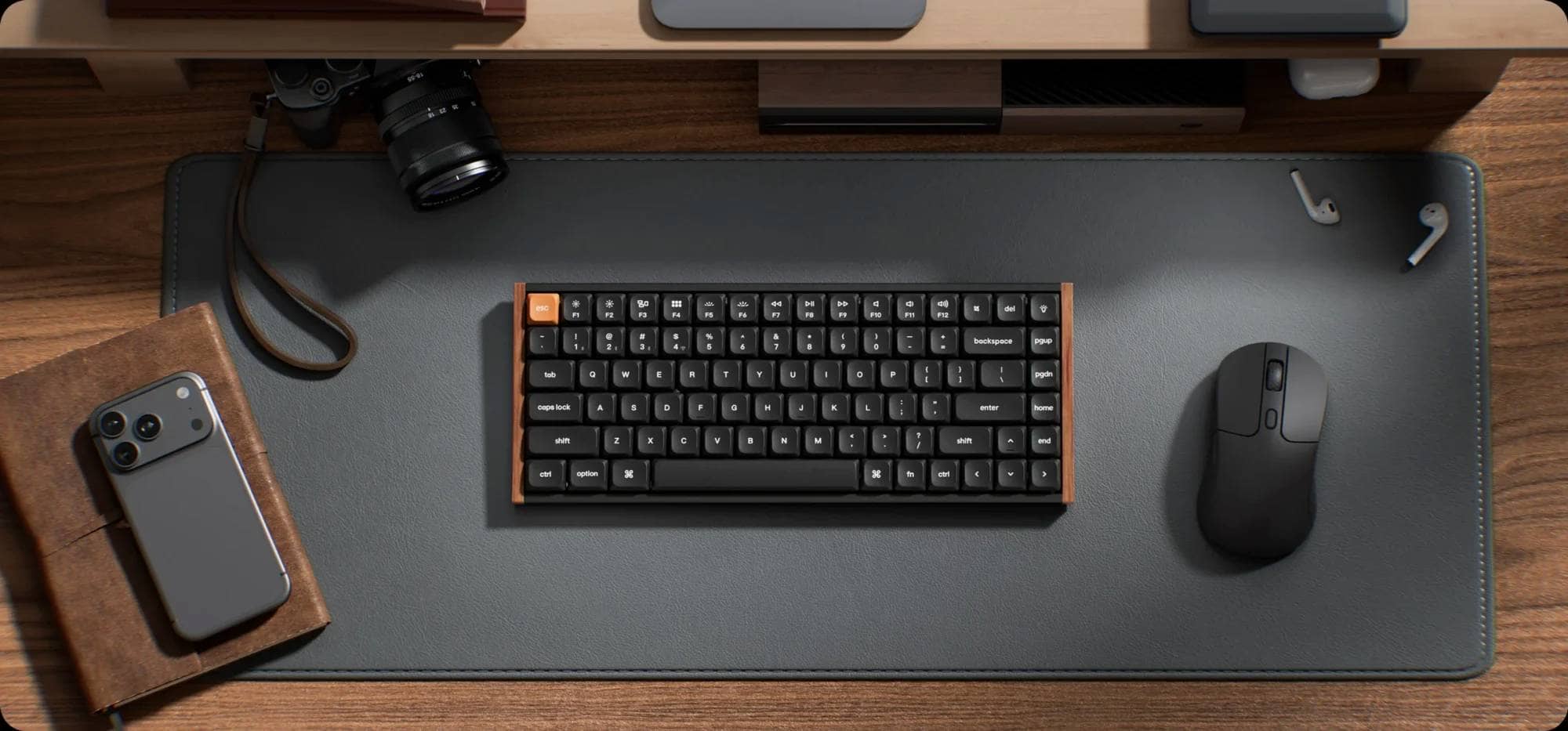


Keychron is known for its rapid product release pace, launching dozens of new keyboards each year.
On April 10, they released the “Keychron K3 Max SE.”
This low-profile mechanical keyboard features wood panels on the sides, appearing to function not just as a keyboard but also as an interior design element.
Based on their recent keyboard release trends, we examined their “differentiation strategy from competitors.”

The Keychron K3 Max SE Resembles High-End Furniture
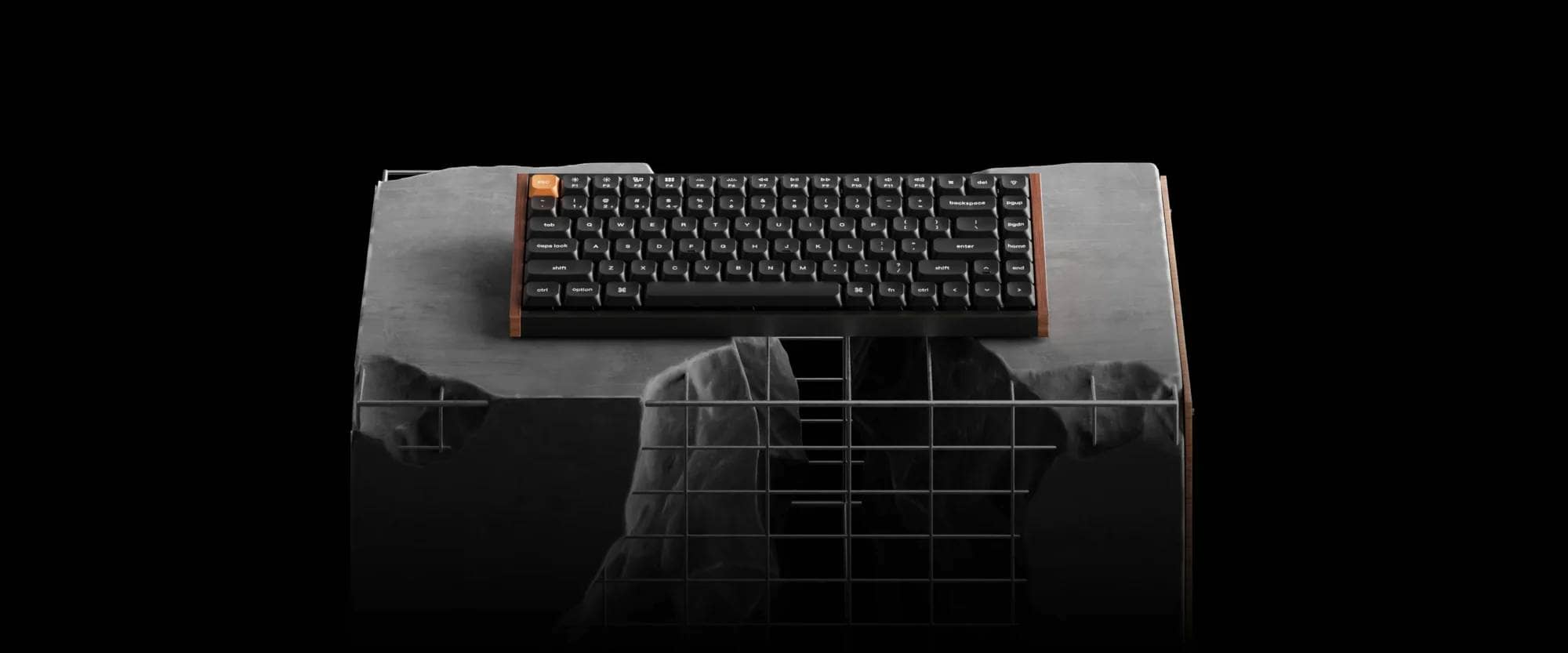
Keychron’s new K3 Max SE is a 75% low-profile wireless mechanical keyboard.
It’s presented as a model featuring 2.4GHz / Bluetooth / wired connectivity, hot-swap support, Keychron Launcher compatibility, and LSA profile keycaps.
Up to this point, it appears to be a natural evolution typical of recent Keychron products.
However, what makes this product interesting is not the specifications themselves, but rather the “presentation.”
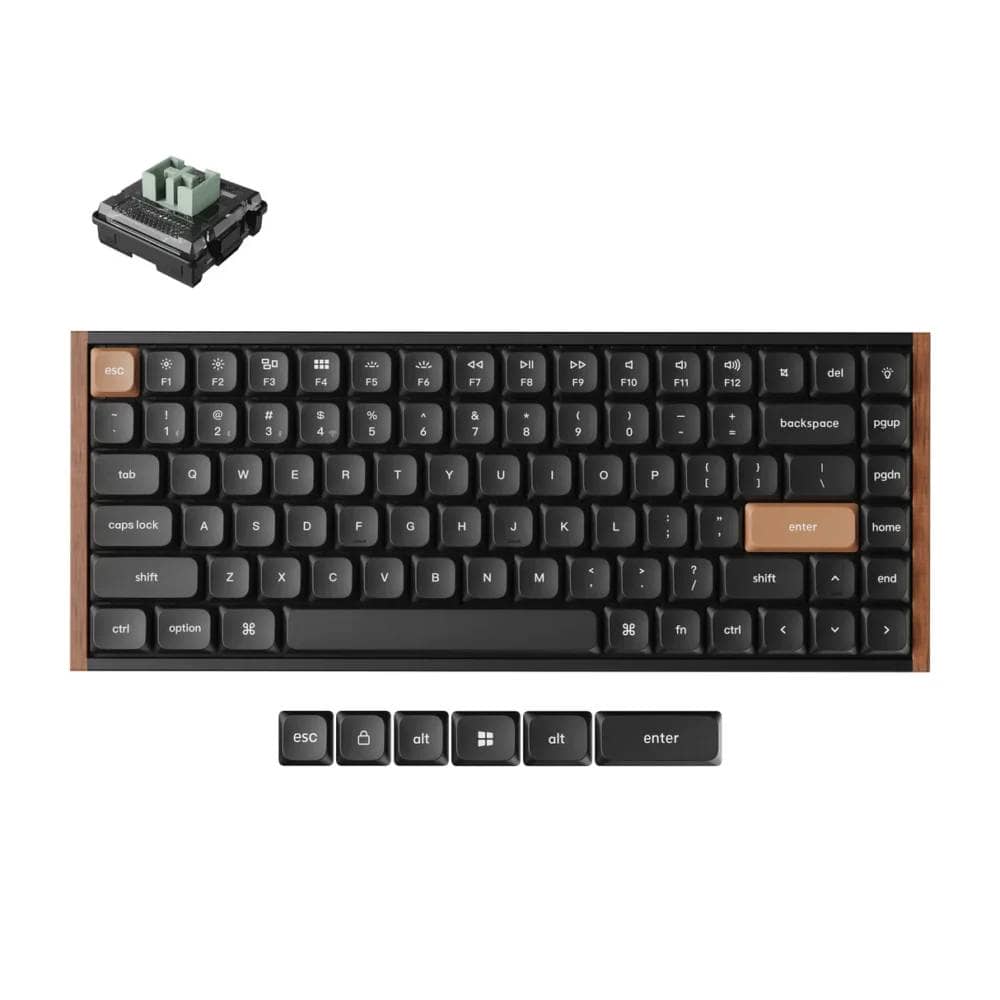
The specification sheet clearly lists the body material as “ABS + Wood,” indicating that Keychron itself is positioning this model as a low-profile keyboard incorporating wood.
The low-profile category has traditionally been discussed in terms of thinness, lightness, minimalism, or metallic sharpness, so the K3 Max SE appears to differentiate itself from competing products by using wood as a case material.
Regarding typing feel, the keyboard incorporates multiple layers of sound-dampening material in line with the recent “Thocky” trend.
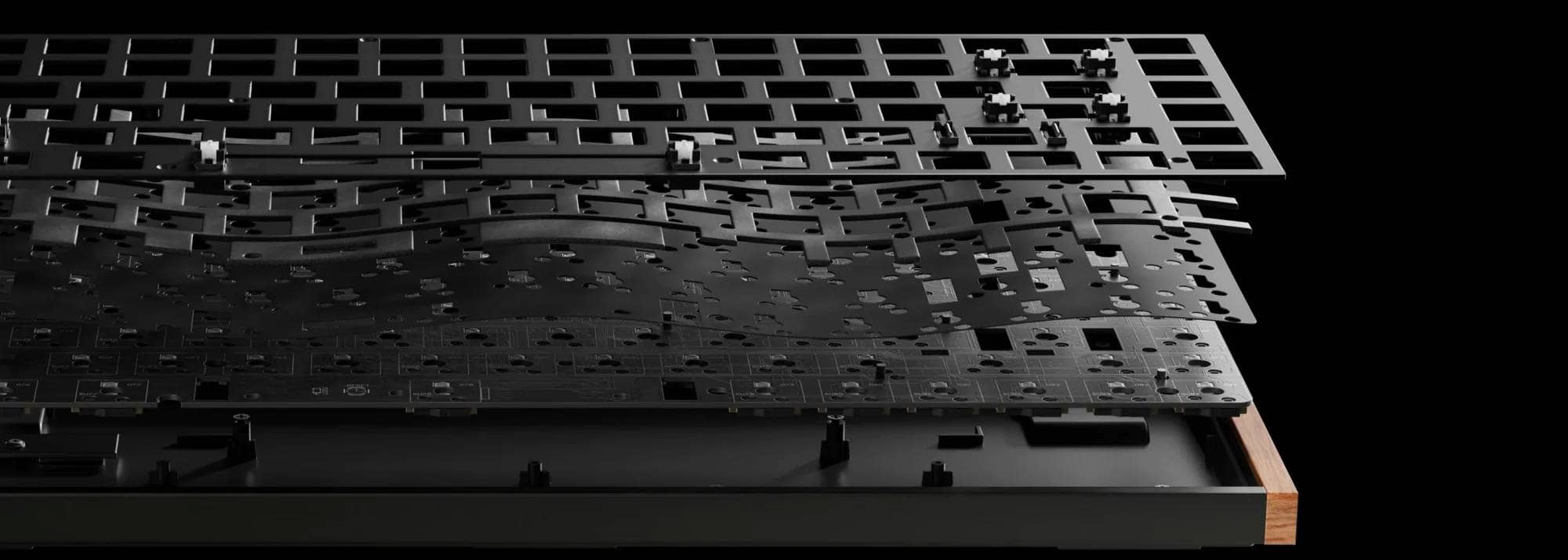
Regarding the switches, it uses Milk POM switches based on the Gateron Low Profile 2.0 generation. It seems to be strongly influenced by the Kailh Choc V2 series, which has been a hot topic in the low-profile community.

Focus on “Desk Setup” Evident from Case Material Variations
While keyboards using wood materials are not particularly common, Keychron has been actively increasing the number of models featuring them recently.
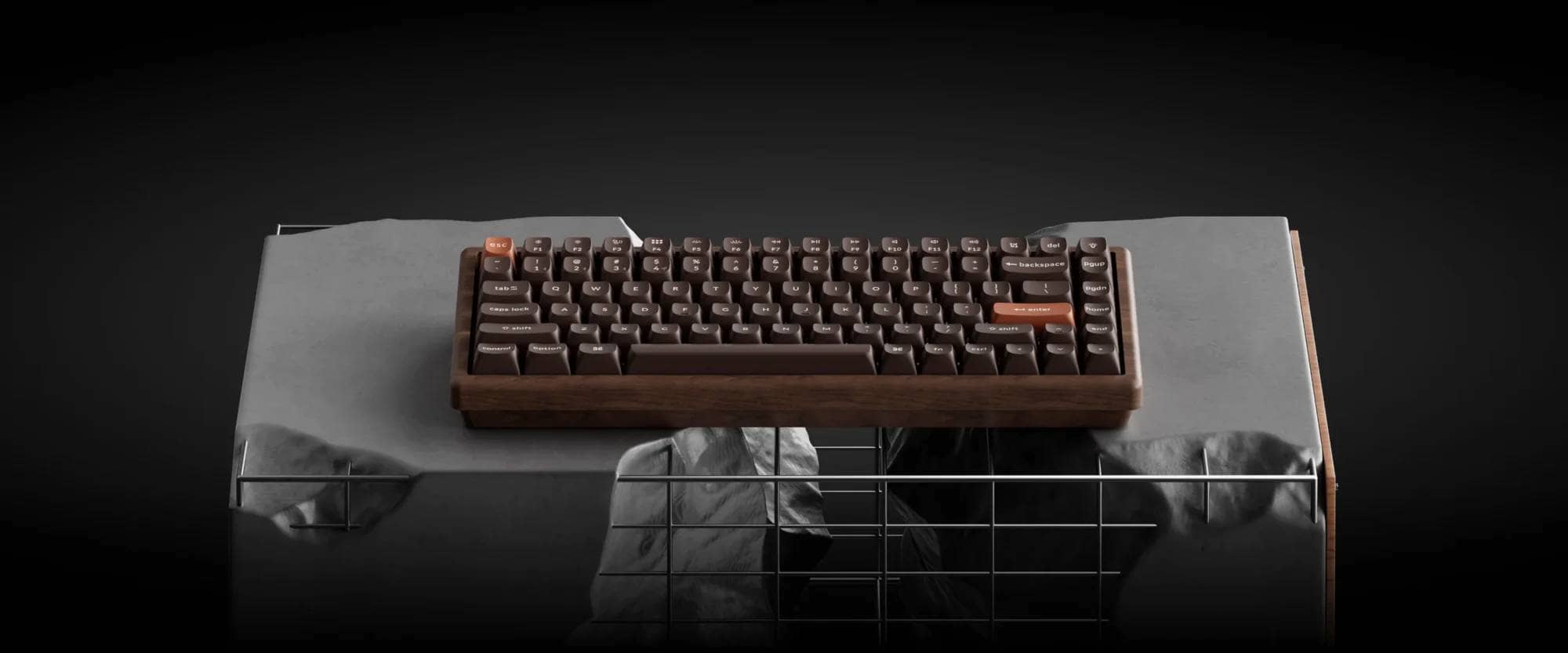
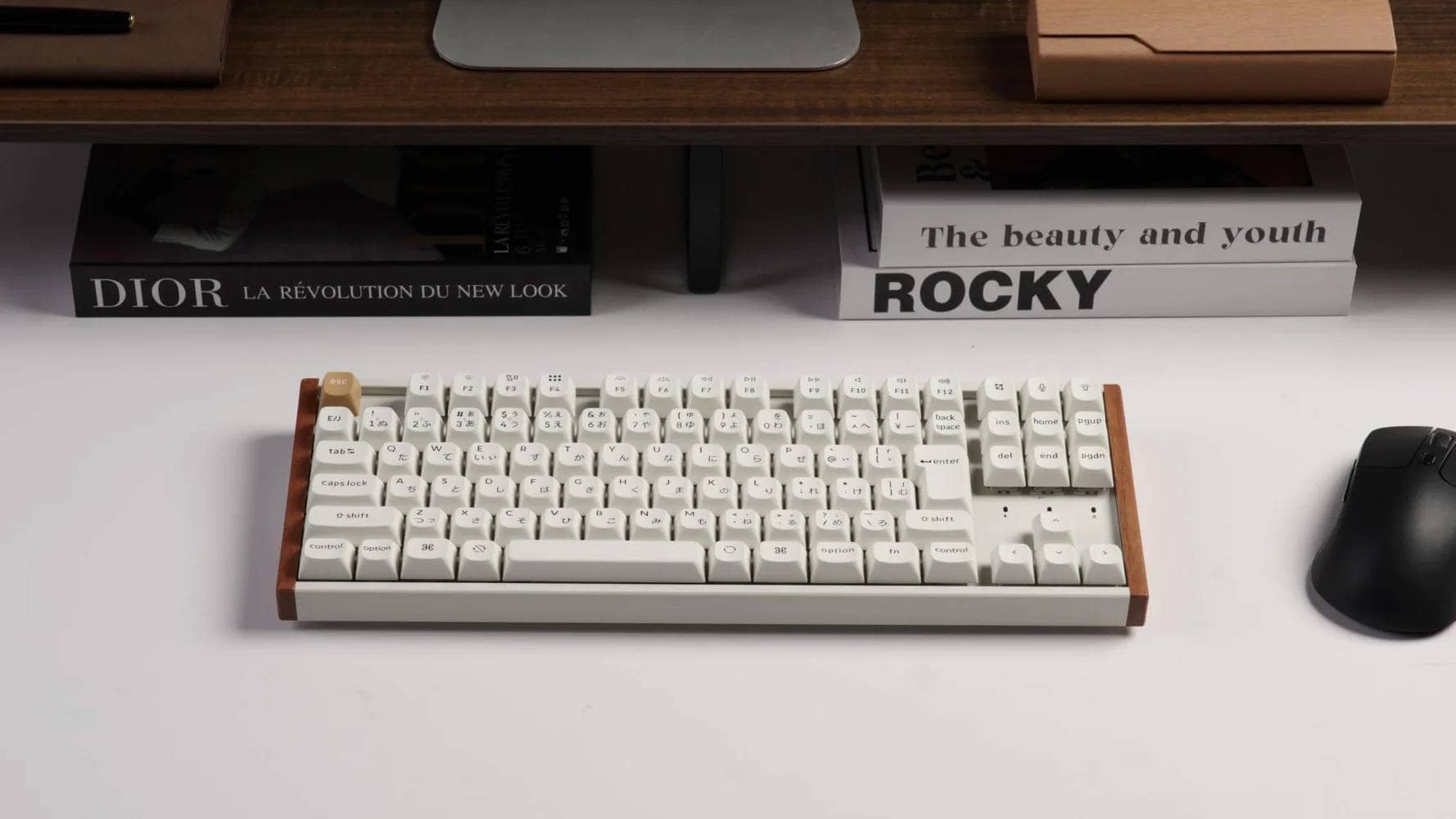
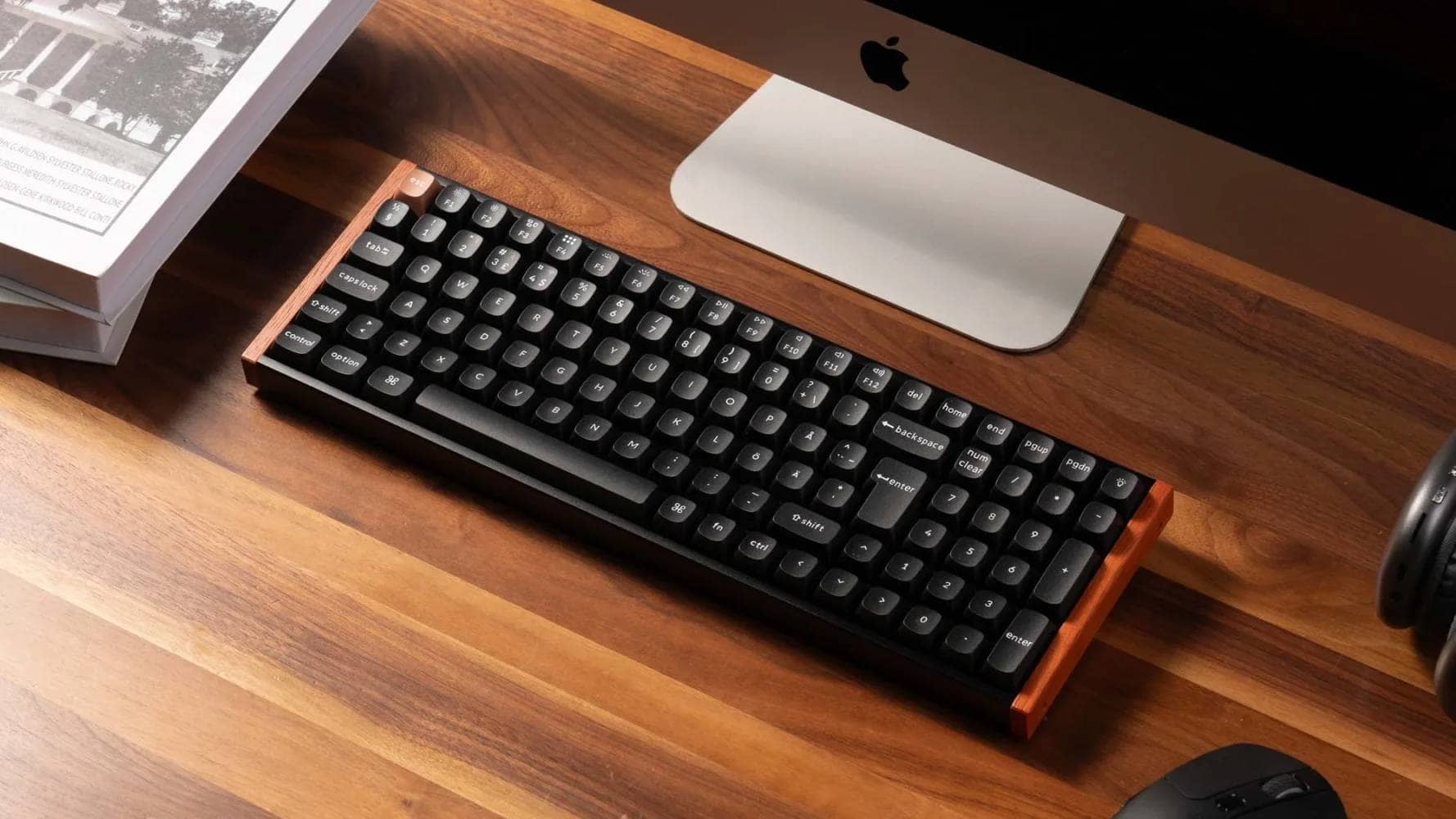
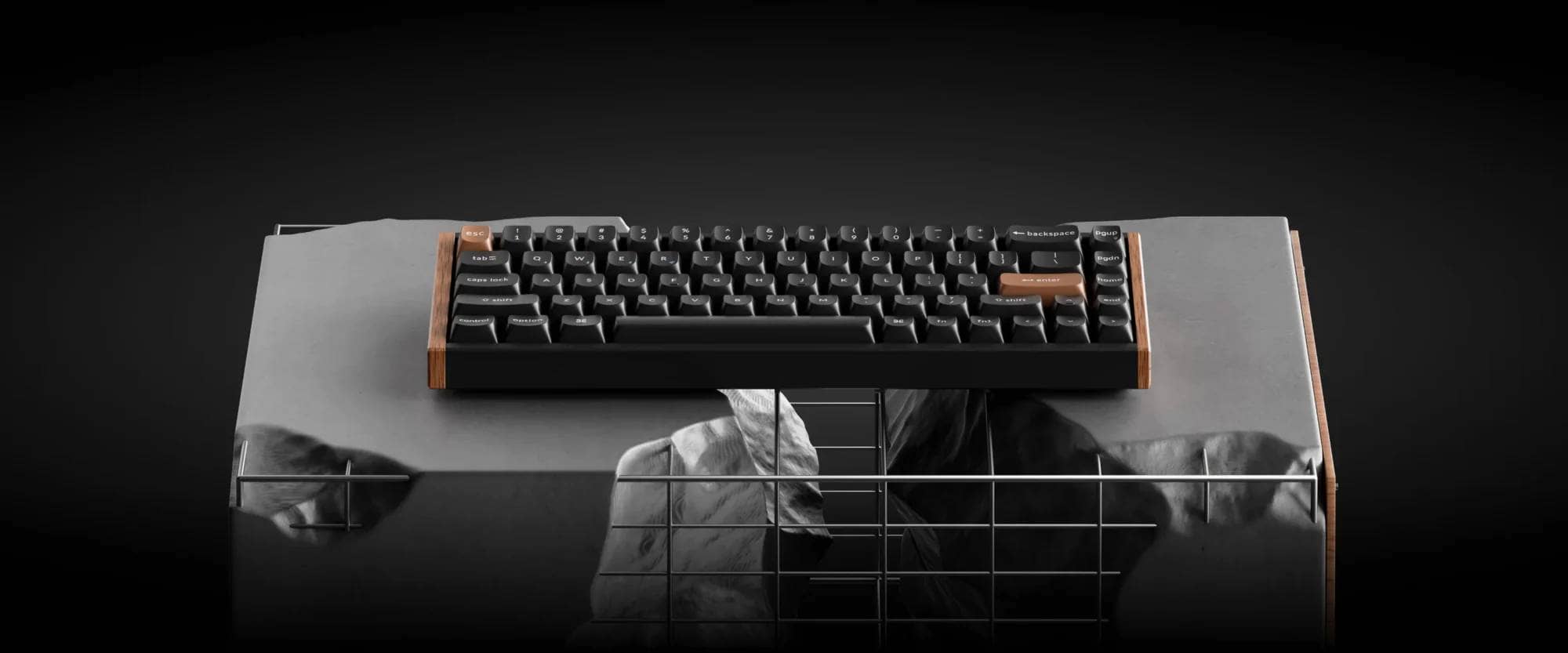
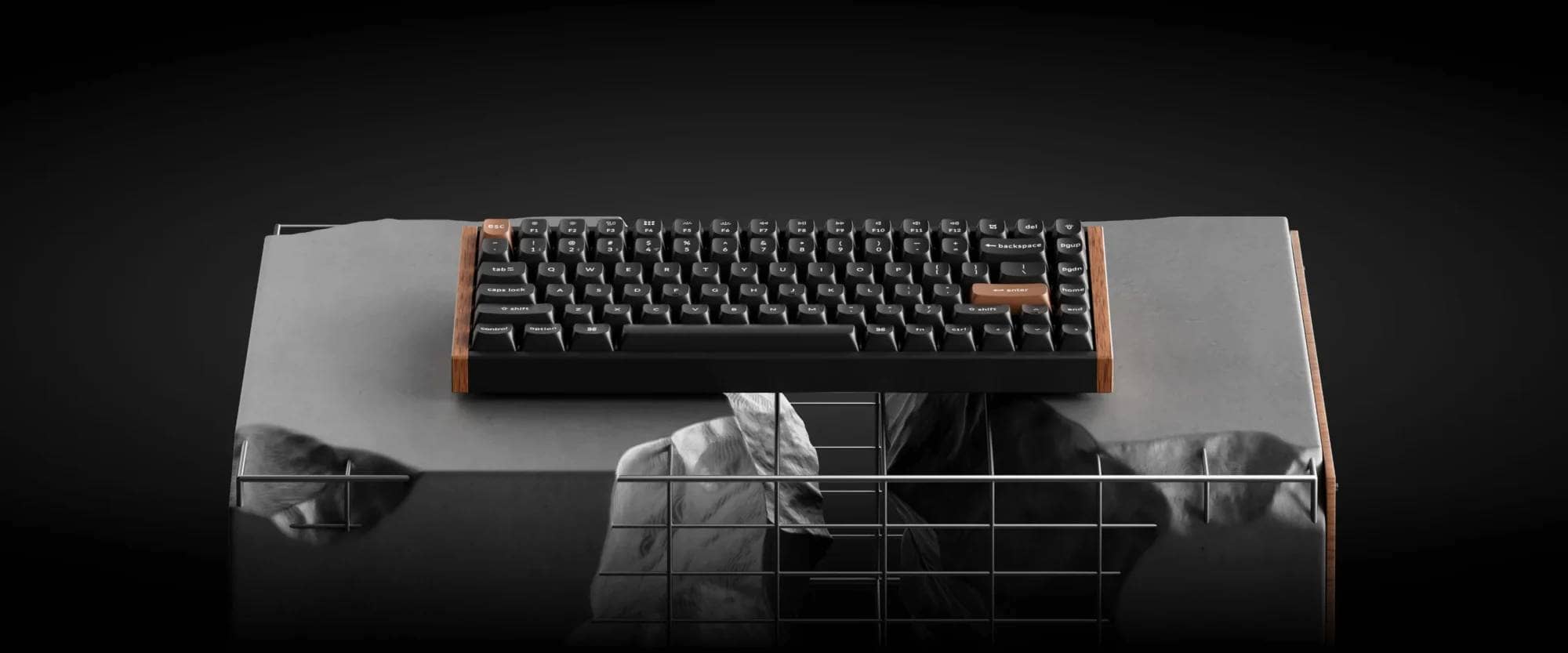
Additionally, cases using ceramics, resin, concrete, and copper materials have recently appeared.
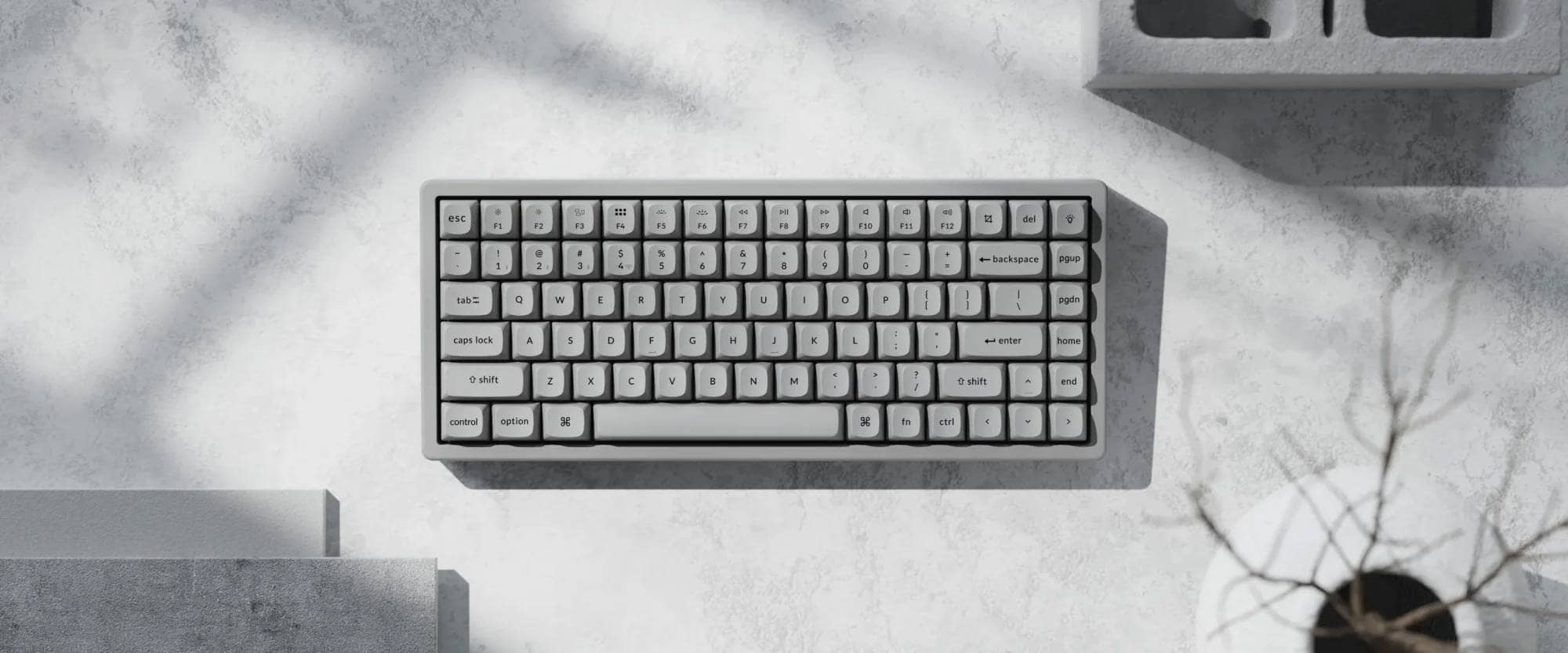
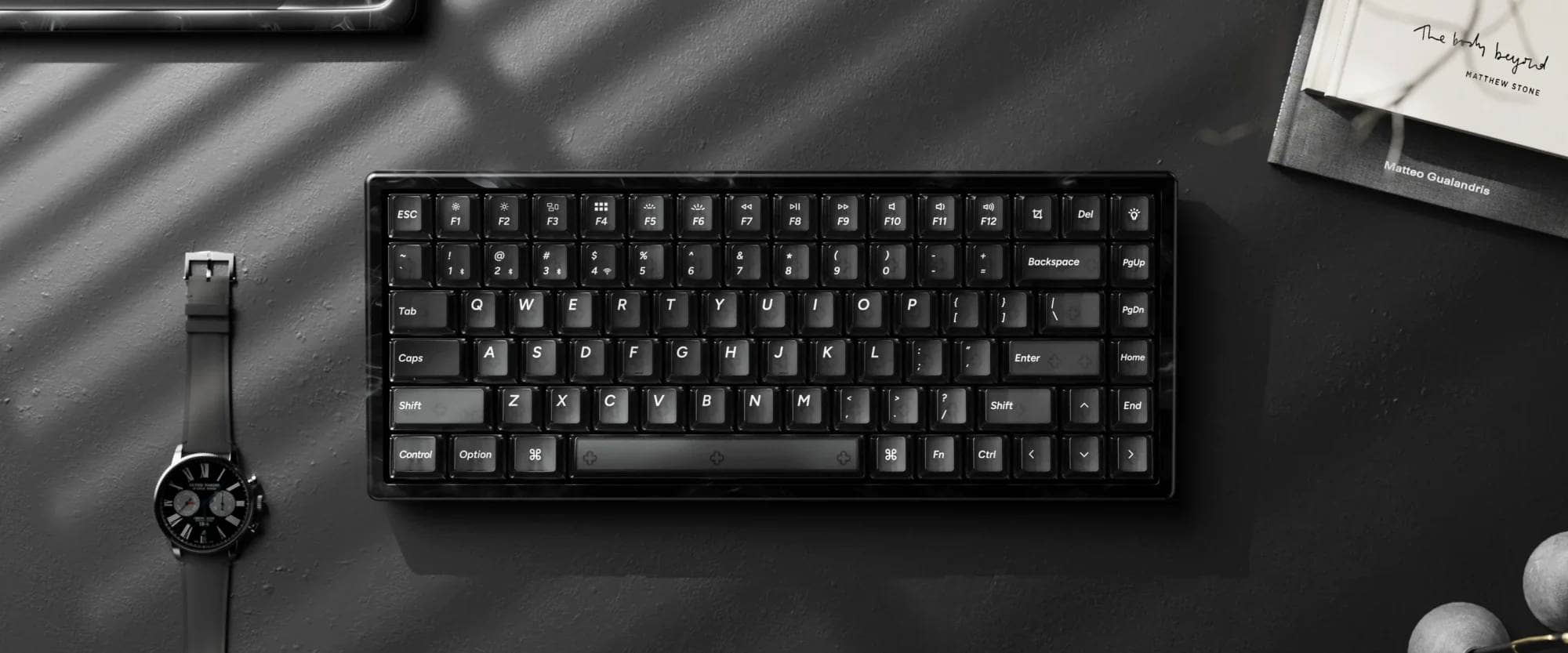
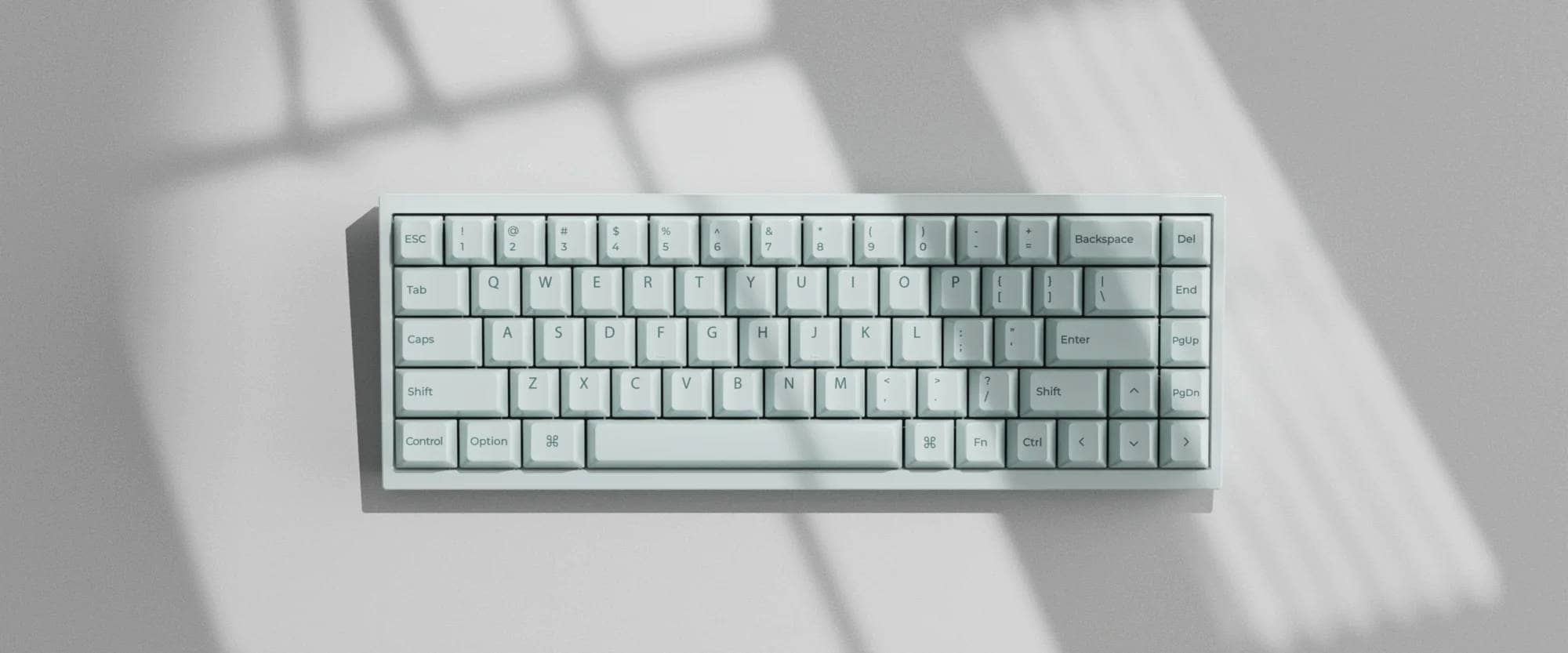
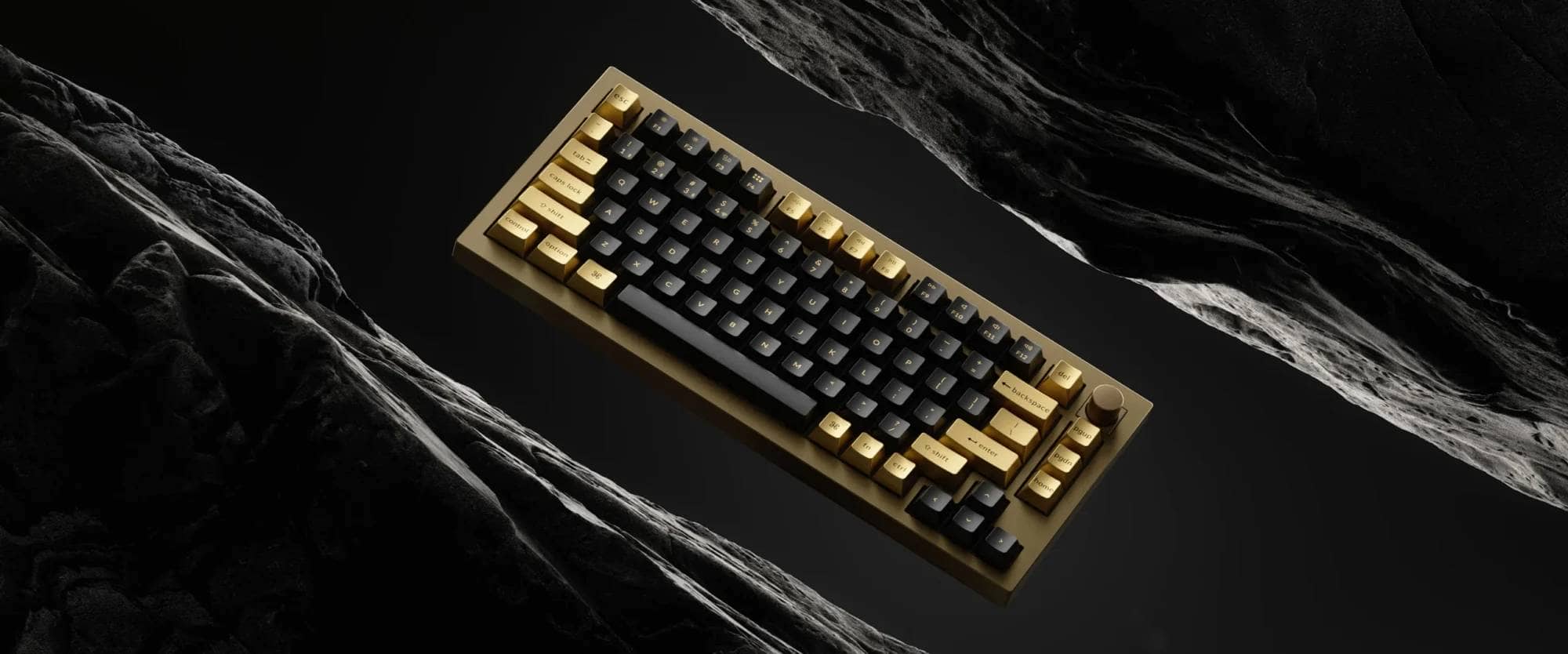
This clearly shows a differentiation strategy based on case materials.
Considering this, the K3 Max SE is not simply a “low-profile with wood.”
It’s more natural to interpret this as a model where Keychron’s “differentiate through cases” strategy, previously applied to normal profile keyboards, has finally extended to the low-profile category.
By changing materials, they may be trying to discover “alternative interior design elements” beyond the keyboard as a gadget.
This appears to align with the concept of a “keyboard” as part of a “total desk setup”—the desire to place it on a desk, install it as part of a living space, and decorate the workspace.
From Choosing by Specs to Offering the Option to “Choose by Material” | Summary
The K3 Max SE maintains uncompromising specifications.
While it’s not an HE model and therefore doesn’t feature gaming-focused polling rates, it incorporates the “reliable specs” typical of recent Keychron products.
Furthermore, they’ve been thorough enough to also offer an HE model in the lineup.
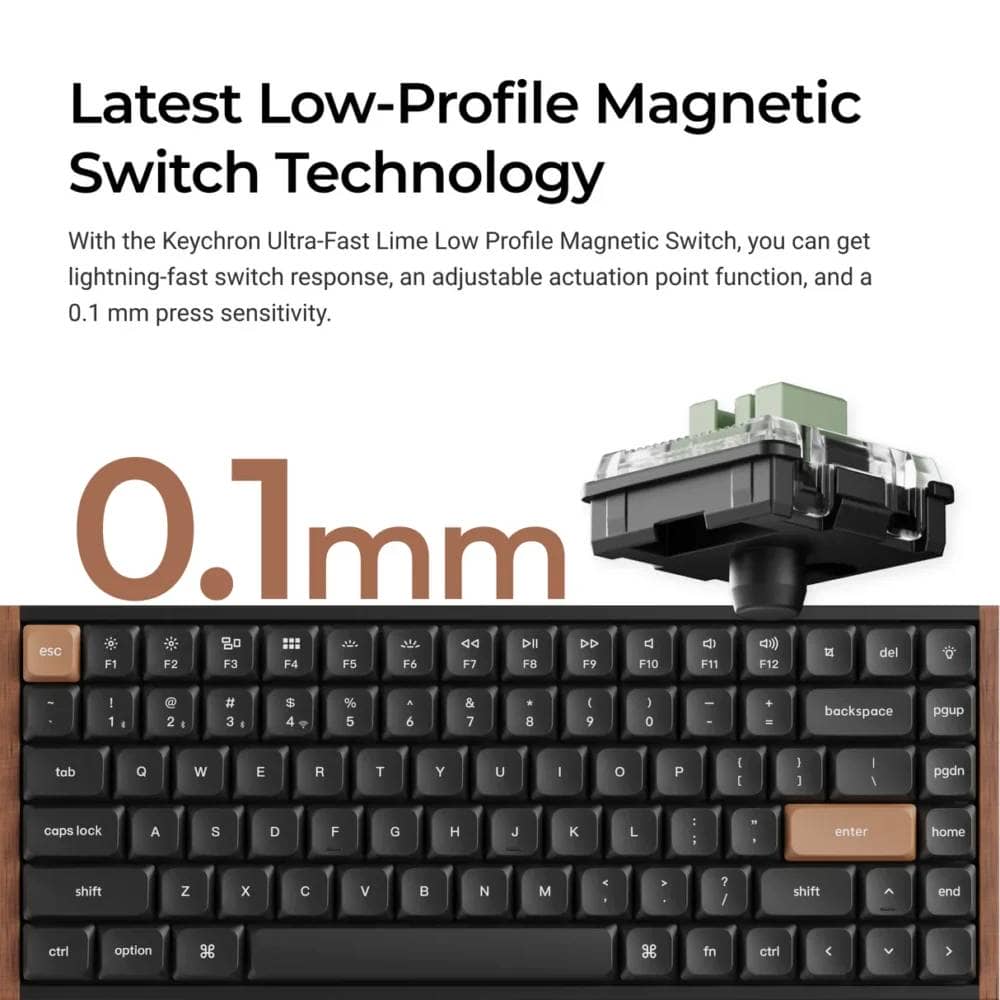
To this, they’ve added the element of “aesthetics” alongside their pursuit of typing feel and the portability advantages of low-profile keyboards.
This represents a new value proposition for low-profile mechanical keyboards from Keychron.
Thin. Light. Wireless. Customizable.
And now, they’ve added a texture you want to display.
Keychron has already pursued material differentiation with Concrete, Resin, and All-Wood on the normal profile side.
Viewing the K3 Max SE as an example of this trend expanding into the low-profile category makes considerable sense.
It will be interesting to see how this direction develops going forward.
- First published: April 14, 2026
- Last updated: April 14, 2026
- Research method: Official social media posts
- Reference/Source: https://www.keychron.com/
- Conflicts of Interest: Product Offering: None Monetization Link in this paper: Yes


Google検索の「優先ソース」にGreenkeysを追加します
Add Greenkeys as a Preferred Source on Google

